It’s been a challenging week on the water, with anglers working around limited weather windows, but the opening of cray season on November 15 has certainly reignited enthusiasm. While crays have taken centre stage, many are still chasing the usual favourites; snapper, whiting and the occasional gummy shark. Recent rain has also dirtied a couple of our river systems, adding another layer of complexity for estuary anglers.
Saltwater
Crayfish season is now in full swing, with anglers using both hoop-style nets and diving methods. Early mornings have proven most popular thanks to calmer winds in the first hours of daylight. The water remains cool, so a quality wetsuit is well worth the investment if you’re planning to dive.
For those who prefer to stay dry, hoop nets are producing good results. Setting pots near productive bottom structure - weed beds adjacent to reef - is ideal. You’ll often hear people say the crays are “crawling,” meaning they’ve moved out from cover and are actively roaming. When this happens, it’s common to see multiple crays in each pot, and quick bag-outs become very achievable.
Oily baits work best; salmon frames or snapper heads cable-tied into the pot are the standard. Most anglers leave their nets for around 15 minutes before pulling them, but be quick on retrieval as the crays can escape rapidly. As always, ensure you’re familiar with current regulations before heading out.
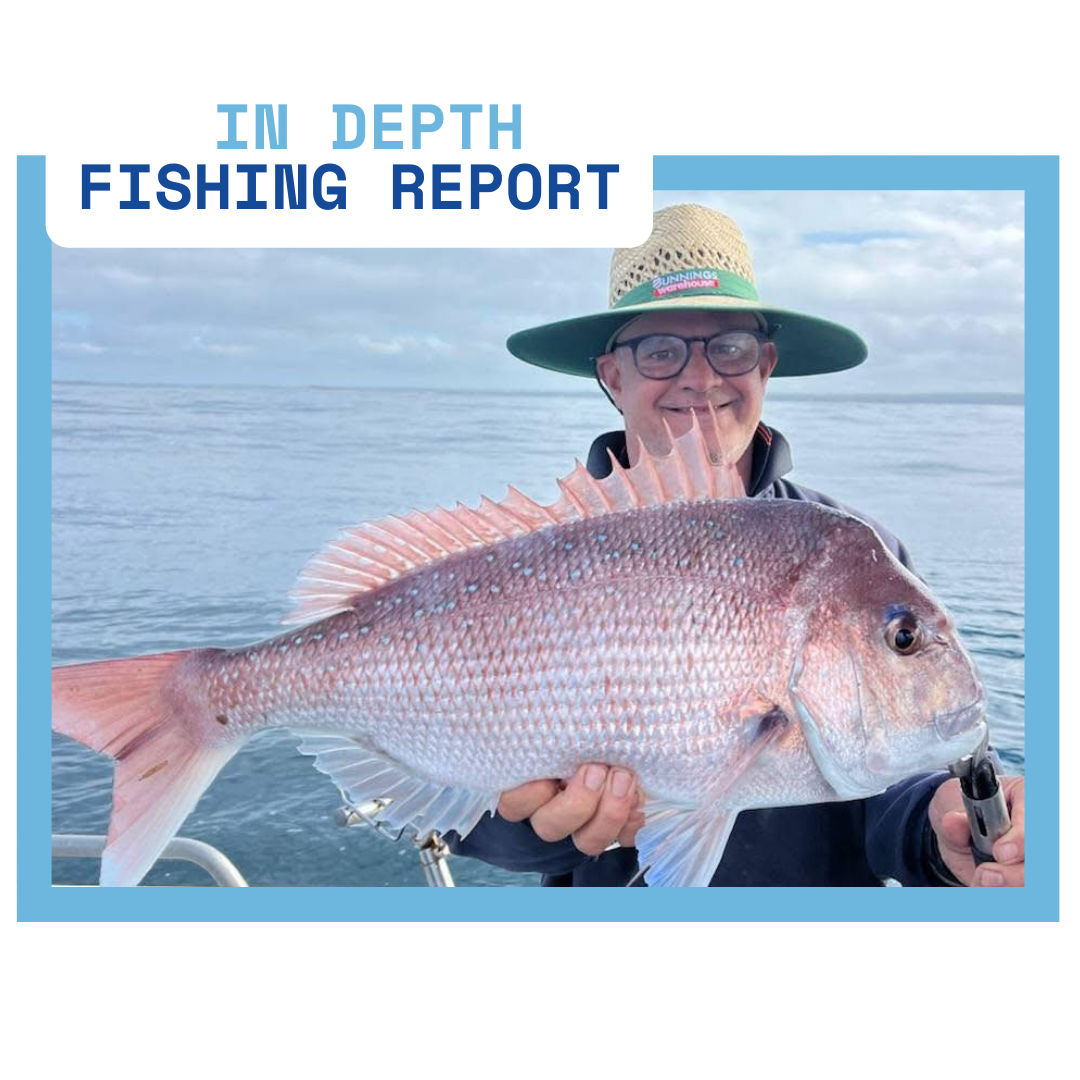
Offshore, some quality snapper have been taken, including fish to 3.5 kg during the Warrnambool Offshore & Light Game Club’s annual Snapper Challenge, proudly supported by Warrnambool Toyota. Craig Kermond claimed bragging rights with a 3.5 kg fish landed east of Warrnambool alongside Peter Goode, who also managed a solid gummy shark and a King George whiting. From the Warrnambool breakwater, land-based anglers have been catching pinky snapper using blue bait, pilchards and squid, baits that also tempt salmon, flathead and whiting in the area.
Whiting fishers have found numbers hard to come by, with most managing only a couple per trip. After-dark sessions have been the most productive and help avoid the plague of small salmon.
Remarkably, we’re still seeing barrel-size tuna off the coast heading into late November. One was recently landed at Portland, though not before a 200 kg mako removed its tail beside the boat. With water temperatures still cooler than usual, predicting when these barrels will move on is anyone’s guess. Interestingly, school tuna have been almost completely absent this season.
Estuaries
Dirty water continues to influence most systems after consistent rainfall, though the Hopkins River remains relatively clean thanks to its wide mouth and regular surges of clean ocean water. Mulloway have made a welcome return, with smaller fish caught at the ski run on soft plastics and cut mullet. One angler managed three fish near Tooram Stones on cut mullet, showing they’re well spread throughout the system.
Anglers new to targeting mulloway are often surprised by the small lure sizes used here. Soft plastics in the 2.5–3.5 inch range, such as ZMan Grubs and 2.5” Slim SwimZ are proven producers, simply because they match the size of local bait. These smaller presentations also increase by-catch of bream and perch. The Daiwa Wave Minnow in Motor Oil and Mud Blood has also been excellent, with its long, active tail working well even at slow speeds when rigged on 1/16–1/12 oz jig heads.
The Glenelg River continues to fish exceptionally well, with bream and perch taken on everything from surface lures to blades. Bait anglers have also produced quality fish using unweighted live crabs along the edges. Down the front of the system, pod worms collected from the sand near the car park remain a top bait: best used on a high tide with minimal or no weight for the most natural presentation.
Freshwater
Rocklands Reservoir remains the standout this week, producing some fantastic fish. Chris Vickery landed another solid cod around the 70 cm mark, with Peter Brilliant also scoring a strong mid-70s fish. While not giants in length, these cod are incredibly fat and healthy, gorging on the abundant food available - everything from redfin to small yellowbelly and even carp.
Trolling hard bodies through submerged timber remains the most popular method, though more anglers are turning to surface lures for the sheer excitement of the strike. Cod will often explode on a topwater lure with a full-body hit that can genuinely startle you.
A highlight capture this week was an enormous Aussie bass measuring 59 cm and estimated at over 3 kg which are one of the hardest-fighting freshwater species in Victoria. They can be targeted using the same tackle as yellowbelly and smaller cod, making them a great option for light-tackle anglers.
Looking ahead, the forecast doesn’t offer much relief from the rough coastal conditions, so many anglers will likely shift their attention inland or into the estuaries. Until next week—tight lines and best of luck!